
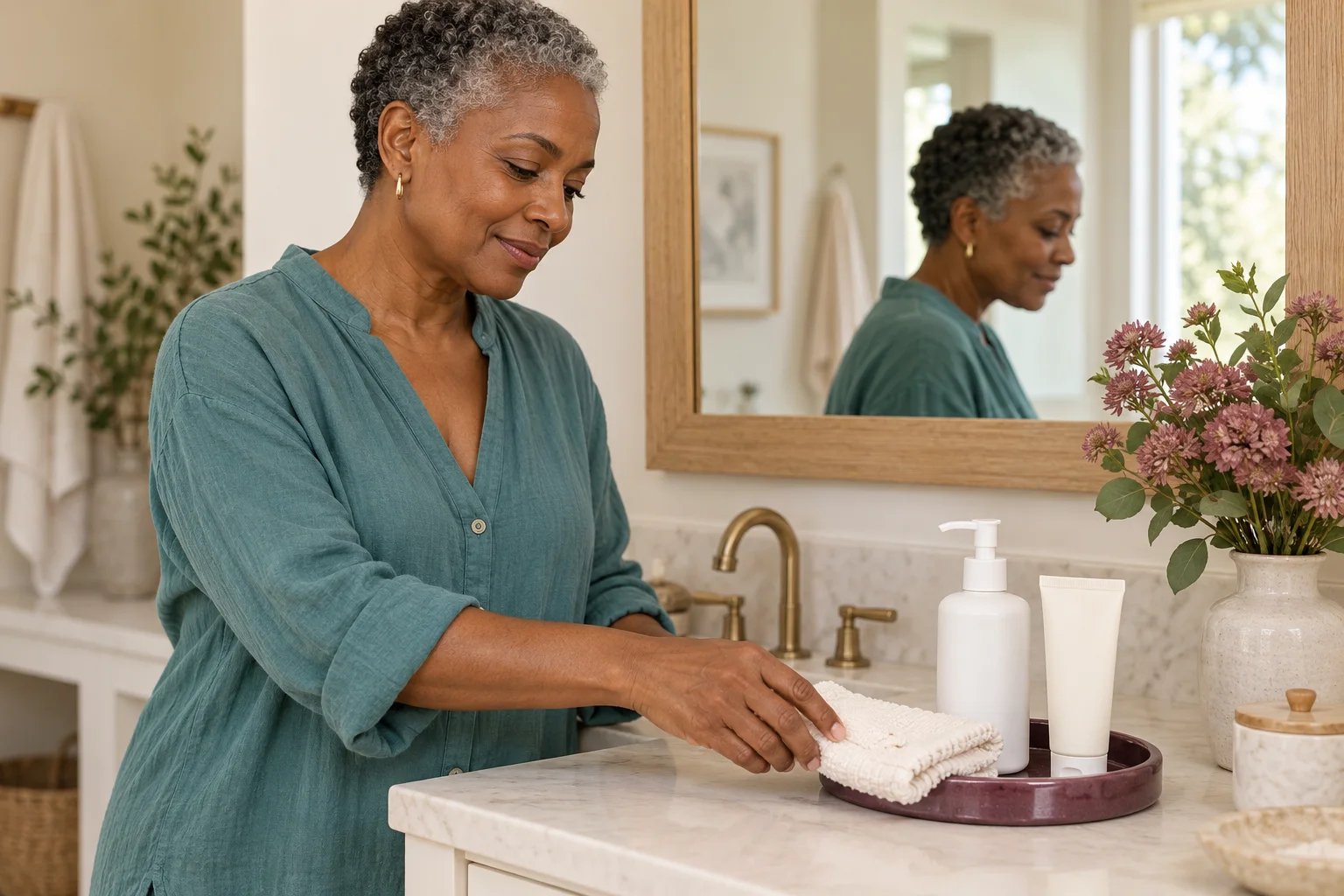
If your facial concern includes both acne-like bumps and persistent color, describe them separately at the appointment. A prescription discussed for one sign may leave another needing its own plan. If ivermectin cream is proposed, ask which finding the clinician intends to treat and how that benefit will be reviewed.
Name the sign being treated
AAD describes ivermectin cream as a treatment for inflammatory acne-like rosacea breakouts. It discusses persistent facial color and visible vessels separately, with treatment tailored to the signs a person has. [1]
Bring two descriptions if you need them: when the bumps appeared, and whether the color is persistent or comes and goes. Mention burning, stinging or eye symptoms separately. Ask the clinician to identify the condition before selecting products to cover or treat it.
For an appearance review during GLP-1 treatment, add the medicine name and timeline to the history without assigning a cause yourself. The useful question is what the examination shows and which problem the proposed prescription addresses.
Read the two benefit measures separately
The U.S. SOOLANTRA label describes two 12-week, randomized, double-blind, vehicle-controlled trials involving 1,371 adults. Most had moderate disease; 96% were White and 67% female. [2]
The 2014 trial publication reports clear or almost-clear investigator ratings in 38.4% versus 11.6% in one trial and 40.1% versus 18.8% in the other. Reductions from baseline in inflammatory lesion counts were 76% and 75% with ivermectin, versus 50% in each vehicle group. [3]
A percentage reduction in bumps is a different measurement from the percentage of participants rated clear or almost clear. Neither should be rewritten as a guarantee that three-quarters of users will have clear skin. We reviewed the publication's abstract and the full label's trial section; the journal's full report was inaccessible, and funding and conflicts were not verified.
Ask which outcome best matches your concern and when the clinician wants to review it. Keep the starting description available so the follow-up can compare the same sign rather than a different photograph or impression.
Set expectations with the treating team
AAD says topical treatment for rosacea's acne-like breakouts may show slight improvement after three or four weeks, while a noticeable difference usually takes two to three months. That is general topical-treatment guidance, not an individual deadline for this prescription. [1]
If an event or photography appointment is approaching, give the date to the clinician. Ask what can reasonably be assessed before then and whether a separate makeup or skin-care discussion is useful. Do not add extra applications to pursue a faster outcome.
Our rosacea and makeup guide covers the broader appearance conversation. The oxymetazoline evidence review concerns a different treatment target and does not make the creams interchangeable.
Keep the prescription instructions with the tube
The patient information says to use SOOLANTRA as directed, avoid the eyes and lips, and call the provider about side effects. Burning and irritation are listed; postmarketing reports include contact and allergic dermatitis. Pregnancy, breastfeeding and all medicines or supplements belong in the prescriber discussion. [2]
Ask the pharmacist to explain anything unclear about the application area, amount or instructions on your own prescription. If the product supplied changes, have the pharmacist confirm what you received. Keep the information leaflet available rather than relying on the word “cream” in a reminder.
If irritation develops, describe the product used, location, timing and other products applied that day when you contact the treating team. Ask how the routine should change rather than deciding that every new sensation is an expected sign of treatment working.
Confirm the rest of the plan
AAD includes gentle cleanser, moisturizer, sunscreen and trigger management in rosacea care. It also emphasizes that eye involvement needs assessment and may require an eye specialist. [1]
Tell the clinician about eye discomfort instead of extending a face prescription to the eyelids or eyes yourself. Ask which supporting skin-care products fit the treatment plan and when to contact the team if symptoms change.
Leave the appointment with the target sign, the instructions, the review date and the contact route written down. That gives the next conversation a specific starting point.
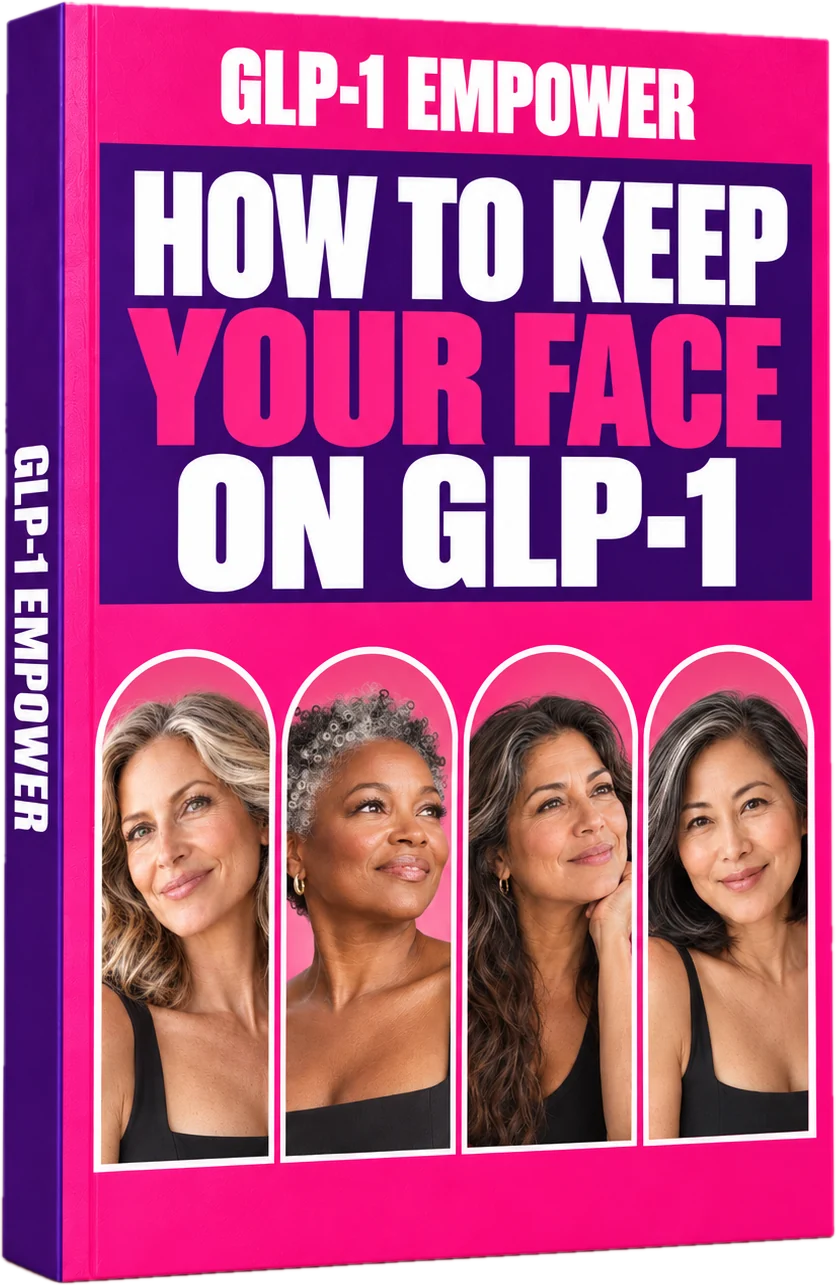
Printed book
How to Keep Your Face on GLP-1
$12.95 + free shipping
Order Now30 day money back guarantee
This article provides general education, not a diagnosis or an individual treatment plan. Medication information refers to US sources. Discuss medication, nutrition and cosmetic treatment decisions with qualified clinicians.
Read next
Skin careAcne Scars During GLP-1: Identify the Mark Before Treatment→Skin & researchAdapalene for Photoaging: Check the 0.3% Trial and the Acne Label→Sources
- Rosacea: Diagnosis and treatmentAmerican Academy of Dermatology; updated April 2024, checked October 2026↩ Back to text
- SOOLANTRA: ivermectin cream, U.S. prescribing and patient informationDailyMed; posted October 2024, instructions revised October 2022; checked October 2026↩ Back to text
- Ivermectin cream for papulopustular rosacea: two randomized studiesStein and colleagues, Journal of Drugs in Dermatology, March 2014; abstract reviewed↩ Back to text