
A tender, swollen nail edge during GLP-1 treatment deserves attention before a manicure.
Pain beside the nail needs assessment
Paronychia affects the skin bordering a nail. Pain, warmth, swelling or pus can occur; cuts around the cuticle can let bacteria enter. Persistent irritation can also be involved. Seek assessment for severe, worsening or recurring symptoms. With diabetes, circulation problems or reduced immunity, contact your clinician promptly when infection signs appear. [1]
Leave the cuticle intact
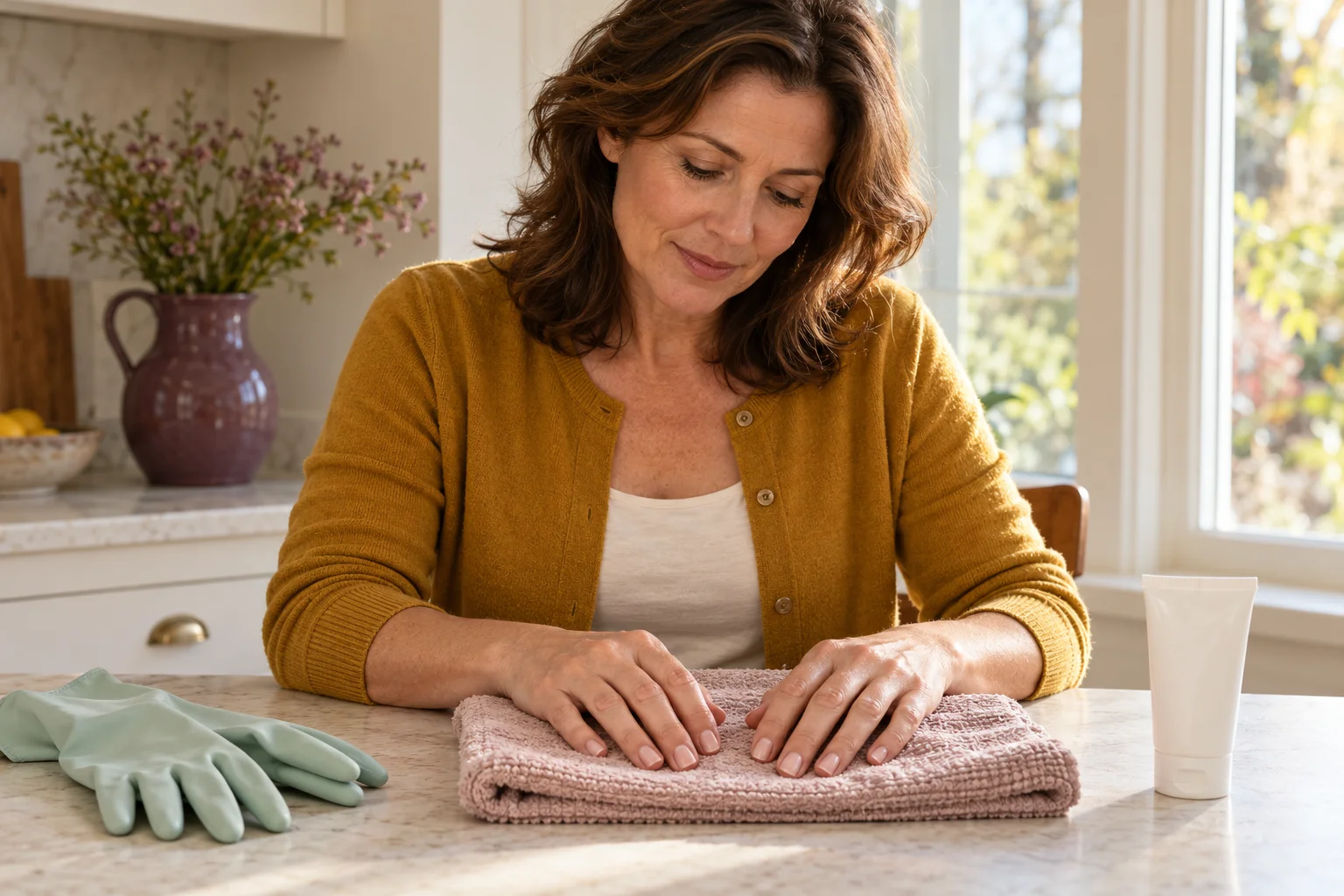
AAD advises against removing cuticles or biting nails. Keep nails clean and dry; wear gloves for washing dishes or cleaning, and moisturize after handwashing. Pain, swelling or a nail change warrants a dermatologist's attention. These habits support nail care, but do not replace assessment of a sore nail fold. [2]
Ask what treatment is needed before rebooking
An examination can guide treatment. A clinician may sample drainage and may need to drain an abscess or prescribe antibiotics. Ask when nail services can resume. [1]
These US clinical resources are not GLP-1 studies and establish no medication cause or cosmetic recovery guarantee. For a separate problem involving the nail plate, read our nail lifting and discoloration guide.

Printed book
How to Keep Your Face on GLP-1
$12.95 + free shipping
Order Now30 day money back guarantee
This article provides general education, not a diagnosis or an individual treatment plan. Medication information refers to US sources. Discuss medication, nutrition and cosmetic treatment decisions with qualified clinicians.
Read next
Skin careAcne Scars During GLP-1: Identify the Mark Before Treatment→Skin careAzelaic Acid for Acne Marks on GLP-1: Trial and Label Checks→Sources
- Nail Infection (Paronychia)Cleveland Clinic↩ Back to text
- 11 dermatologists’ tips for healthy nailsAmerican Academy of Dermatology↩ Back to text