

If diagnosed tinea versicolor leaves uneven color during GLP-1 treatment, ask about the skin's condition before adding another product.
Notice texture as well as color
Tinea versicolor spots can be lighter or darker than nearby skin, dry, scaly and itchy. They may merge into larger patches or become more visible after tanning. Pale spots can resemble vitiligo, so appearance alone can be misleading. [1]
Ask what still needs treatment
A dermatologist may examine a scraping or use a Wood's lamp if the diagnosis is uncertain. Treatment depends on the affected area and other factors. After treatment, lighter or darker color can remain for weeks or months. Recurrence is possible, especially in warm, humid weather. Ask whether your current skin needs further treatment rather than using color as your only guide. [2]
Avoid trying to tan the difference away
AAD advises loose clothing and oil-free skincare for tinea versicolor. Protect skin from the sun; tanning beds and sun lamps make the contrast more noticeable. Choose broad-spectrum SPF 30 or higher in an oil-free or non-comedogenic formula. [3]
These US guidance pages are not GLP-1 studies and establish no medication cause or guaranteed pigment recovery. For an undiagnosed pale patch, read our assessment guide.
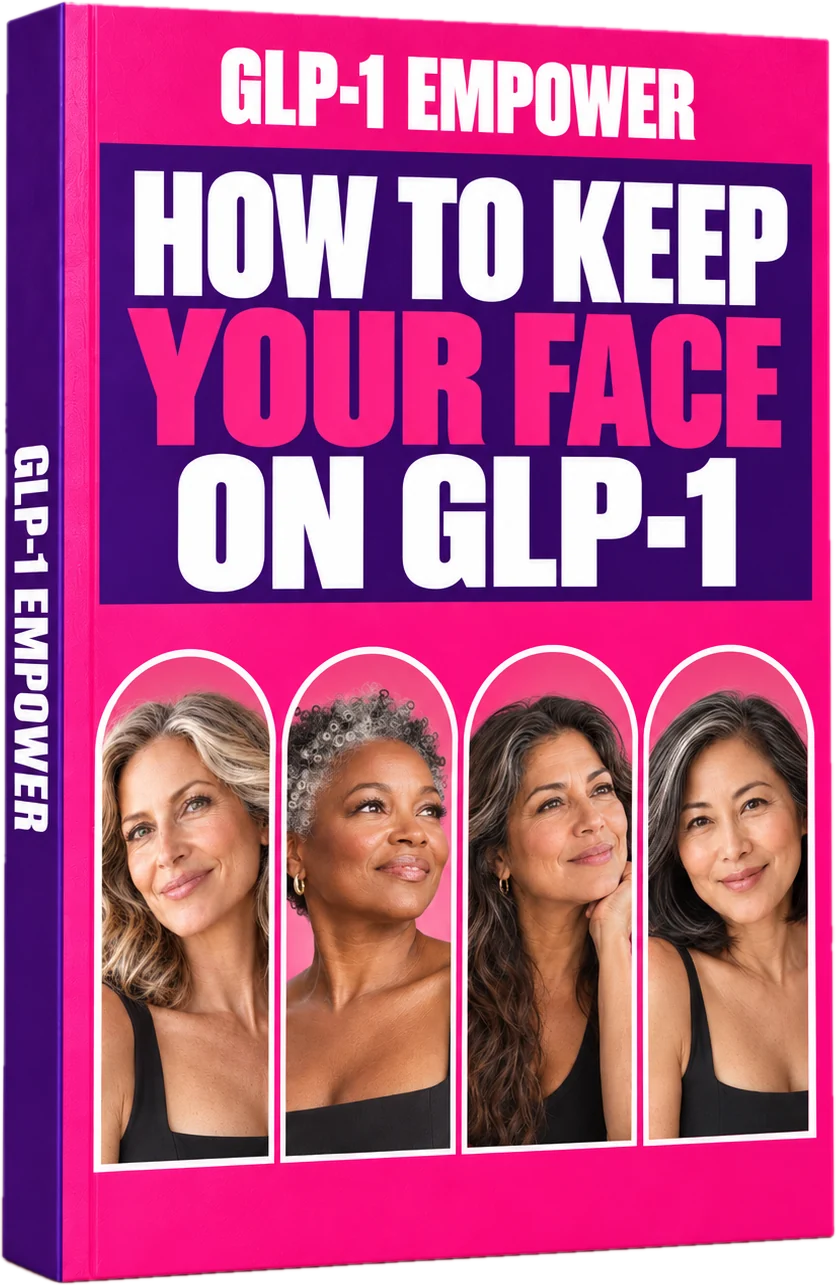
Printed book
How to Keep Your Face on GLP-1
$12.95 + free shipping
Order Now30 day money back guarantee
This article provides general education, not a diagnosis or an individual treatment plan. Medication information refers to US sources. Discuss medication, nutrition and cosmetic treatment decisions with qualified clinicians.
Read next
Body & strength5 Arm-Lift Consultation Questions After GLP-1 Weight Loss→Body & appearanceBack Breakouts During GLP-1: A Workout Skin-Care Plan→Sources
- Tinea versicolor: Signs and symptomsAmerican Academy of Dermatology↩ Back to text
- Tinea versicolor: Diagnosis and treatmentAmerican Academy of Dermatology↩ Back to text
- Tinea versicolor: Tips for managingAmerican Academy of Dermatology↩ Back to text